
| Kia ora koutou permaculture whānau, I hope it has been a bountiful and productive summer season for you in both your lives and in your mara (garden). For me personally it has been a season of connection to whanau, both here in Aotearoa and Australia with a step back from large scale food production of annual crops. I allowed my primary mara kai (food garden) to sit fallow for the season, handing it over to the care of my 40 odd chickens who will care for the space until I have made more of a dent in the abundance of harvests preserved over the past seasons. Watching my garden being tended to by the chickens and knowing that there are no seedlings being grown to fill the space in the near future is not easy. I love gardening, the testing of new varieties, gifting excess to those who need it, and the joy of seeing my 8 year old son eat straight off the plants. But our lives have seasons too, and as a family of three on a small farm with a huge garden there comes a time when the focus needs to shift. So we have been making use of the hard work and bounty of previous seasons and taking more time to strengthen and grow relationships. Personally I love to be busy and am very task focused but, by embracing this period of idleness in the garden I have been able to appreciate the rewards of making time for more interpersonal connection. Over the coming year as the Permaculture in New Zealand Council we also hope to facilitate greater connection with the permaculture community by sharing how you can get involved, where you can connect with like minded people and opportunities to learn create and grow here in Aotearoa. So read on and check out some of the things happening around the motu (country). Ngā mihi, Fiona Moorhouse Chairperson Permaculture in New Zealand |
| 2024 International Permaculture Conference & Convergence Taiwan |
| At the end of 2024 Trish Allen attended the 2024 International Permaculture Conference & Convergence in Taiwan and below she shares a snapshot of her experince. In late 2024 I had the privilege of attending the International Permaculture Conference and Convergence (IPC 15) in Taiwan. What a wonderful event it was. Hundreds of people from all around the world gathered for a week of presentations, workshops and discussions. I came away totally inspired by the amazing work being done by permaculturists to care for the earth and improve people’s lives.The event, organised by Hui-I Chiang and Peter Morehouse of Earth Passengers Permaculture Learning Centre in Taiwan and their team, was in two parts – first a two day conference at the Ten Drum Sugar Factory Event Centre in Khaohsiung, followed by a five day convergence held on the tribal lands of the indigenous Rukai people in Taromak.The theme was ‘Pathways to Resilience – Connecting Urban and Rural Communities for a Resilient Future’. Presenters from all over the planet shared the amazing work they are doing – diverse projects, from restoring degraded landscapes, restoring water in the landscape, traditional indigenous knowledge and wisdom, ethical business, regenerative education for children, natural building and post-growth economics to name a few. It was a rich and multi-cultural experience, and an opportunity to catch up with old friends from around the world. The IPC was the most amazing event. So inspiring. Over 300 people from all around the world and over 7 days there were presentations of the most wonderful projects that care for the earth and improve people’s lives. It renewed my faith in humanity! |
| Got an excess of Zucchini? |
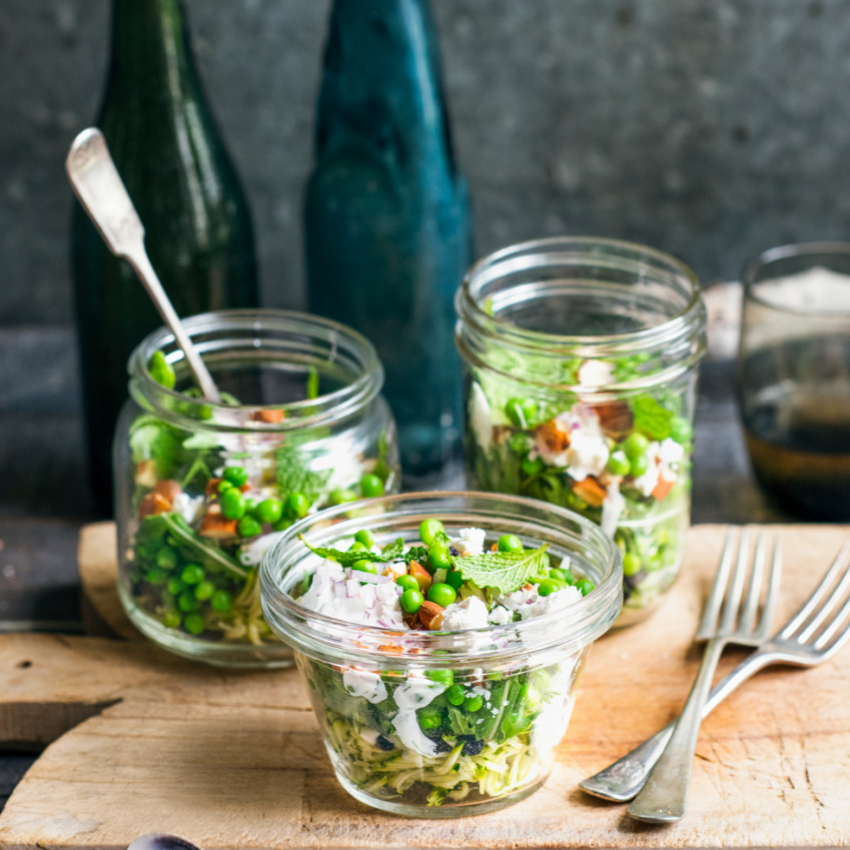
| If you are in the midst of a zucchini glut and are looking for something new to try then perhaps give one of these recipes a go: Granny’s Zucchini Bread RecipeZucchini, Pea and Feta Salad with Lemon MayoGrilled Zucchini Salad with Honey Vinaigrette and Dukkah |
 |
| Events Around the Motu |
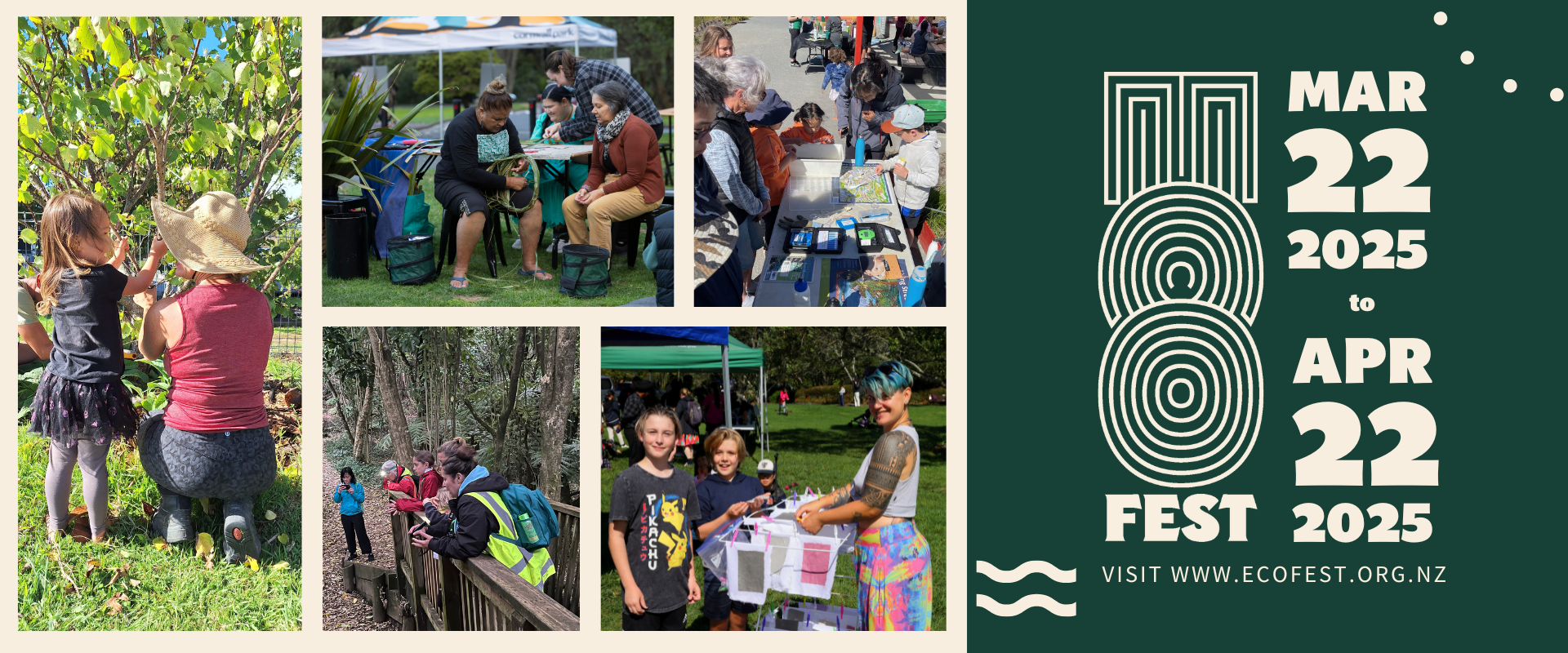
| North IslandIf you are in the Auckland Region ECO Fest is coming up and there are a huge range of events happening. These events are happening both online and in person with many free or by koha (donation) and there is something for everyone including the kids.You can even spend some time with council member Lynsey at the Orewa Community garden looking at the basic principles of permaculture and how they apply to the suburban Auckland environment. |
 |
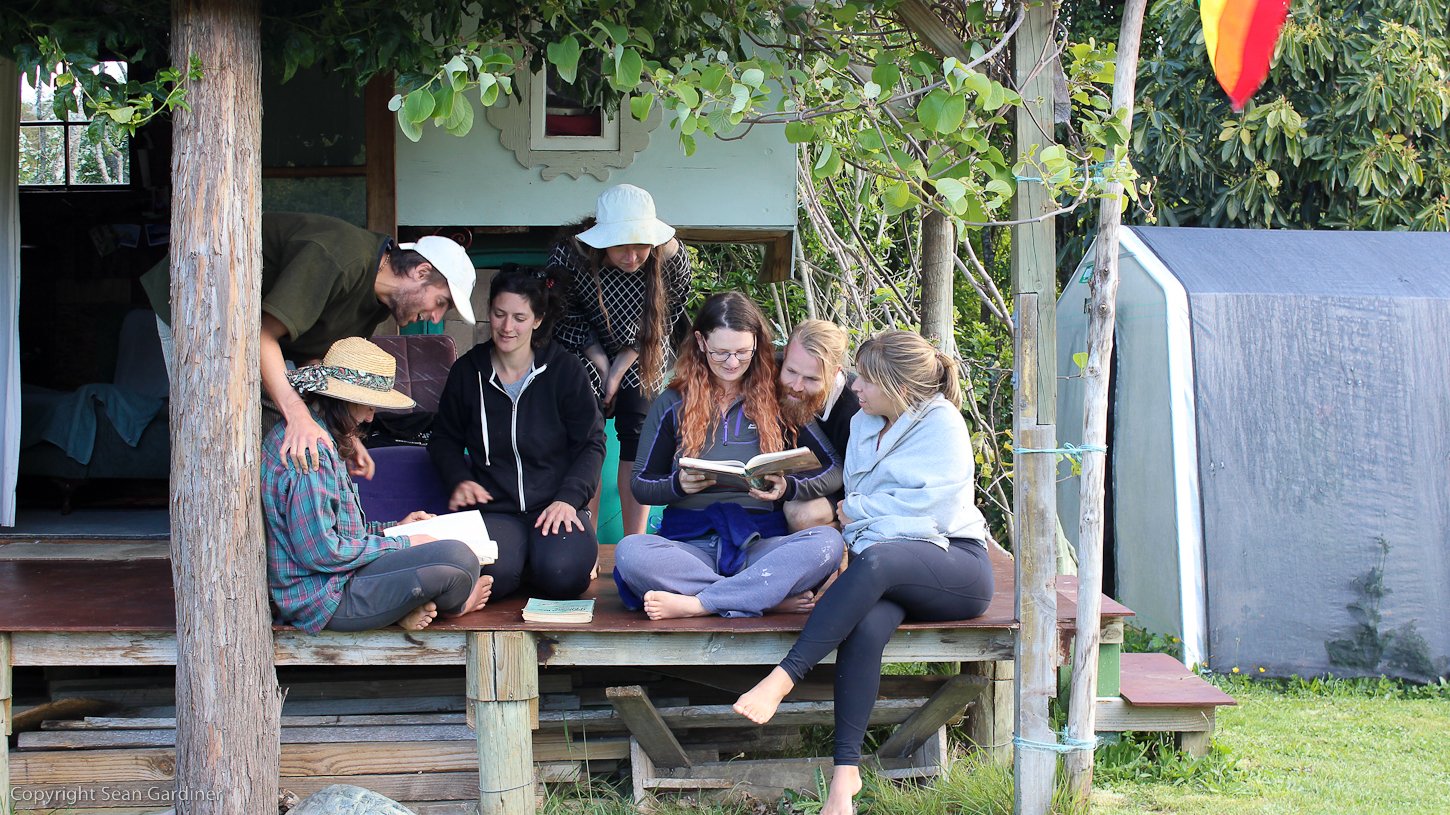
| South Island The Golden Bay Sustainable Living Centre have a range of courses coming up including Earth Building, Organic Gardening, Orchard Design, Home and body care and many more so if you are in the area or can travel check out their website https://www.gbslc.org/courses |
 |
| Looking to connect at an event near you? |
| Coming up this month our members are holding events around the country. Head over to our website and check out what is being offered in your local area.If you are a member and have an event coming up that you would like to promote on the website, please get in touch by emailing Permaculture In New Zealand. |
| Helpful links |